2008 Linux Journal 读者选择奖公布
2008Linux Journal读者选择奖公布 今年的结果冷门不多,vi击败Emacs和vim出线算一个。主流产品在各处都更加受到欢迎,比如Eclipse、Firefox、MySQL、 Apache、Dell。而竞争激烈的领域包括编程语言(C语言折桂)、脚本语言(Python再次胜出)、内容管理系统(WordPress)和桌面环 境(GNOME),Ubuntu的领先优势仍然不明显。
最受欢迎Linux图书 (2007年1月后出版或者再版)
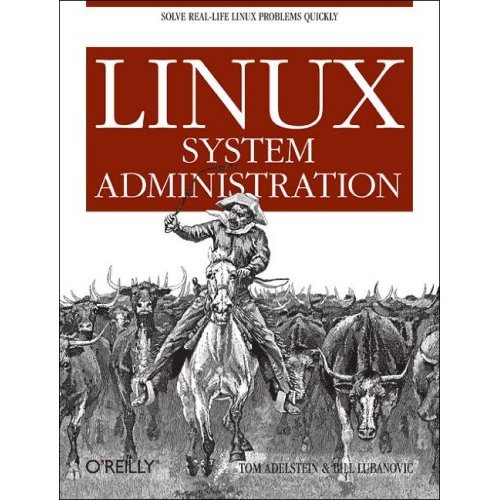
Linux System Administration by Tom Adelstein and Bill Lubanovic (O'Reilly) (16%)
英文影印版:LINUX系统管理,东南大学出版社
【荣誉入围】
Linux System Programming by Robert Love (O'Reilly) (7.2%)
Official Ubuntu Book by Benjamin Hill (Prentice Hall) (7%)
中文版:UBUNTU官方指南,人民邮电出版社
Practical Guide to Ubuntu Linux by Mark G. Sobell (Prentice Hall) (6.6%)
中文版:Ubuntu Linux实用指南,即将由人民邮电出版社图灵公司出版
最受欢迎Linux Journal 专栏
Cooking with Linux by Marcel Gagné (26.9%)
【荣誉入围】
Work the Shell by Dave Taylor (15%)
Hack and / by Kyle Rankin (14.1%)
年度Linux产品
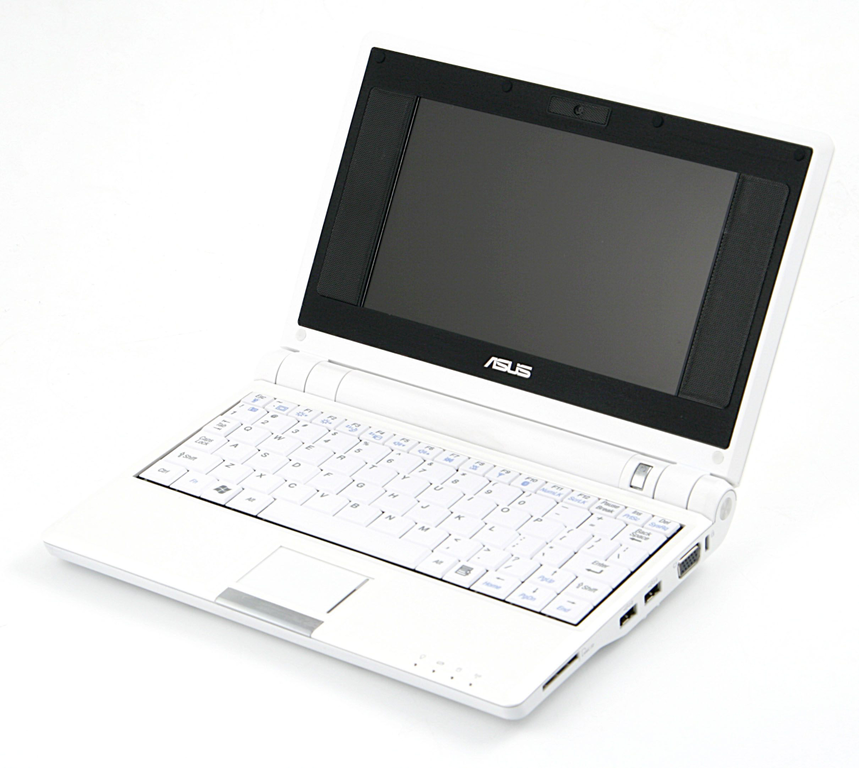
华硕 Eee PC (37.3%)
【荣誉入围】
One Laptop Per Child (17.9%)
最受喜爱Linux发行版
Ubuntu (37.4%)
【荣誉入围】
Mandriva (13.9%)
Fedora (11.1%)
最受欢迎桌面环境
GNOME (45.7%)
【荣誉入围】
KDE (42.5%)
最受欢迎网页浏览器
Firefox (86%)
Opera和Konqueror都低于5%
最受欢迎邮件收发程序
Mozilla Thunderbird (44.9%)
【荣誉入围】
Gmail Web Client (19.7%)
Evolution (13.4%)
KMail (10.1%)
最受欢迎办公程序
OpenOffice.org (85.1%)
AbiWord 和KOffice只有3%
最受欢迎内容管理系统
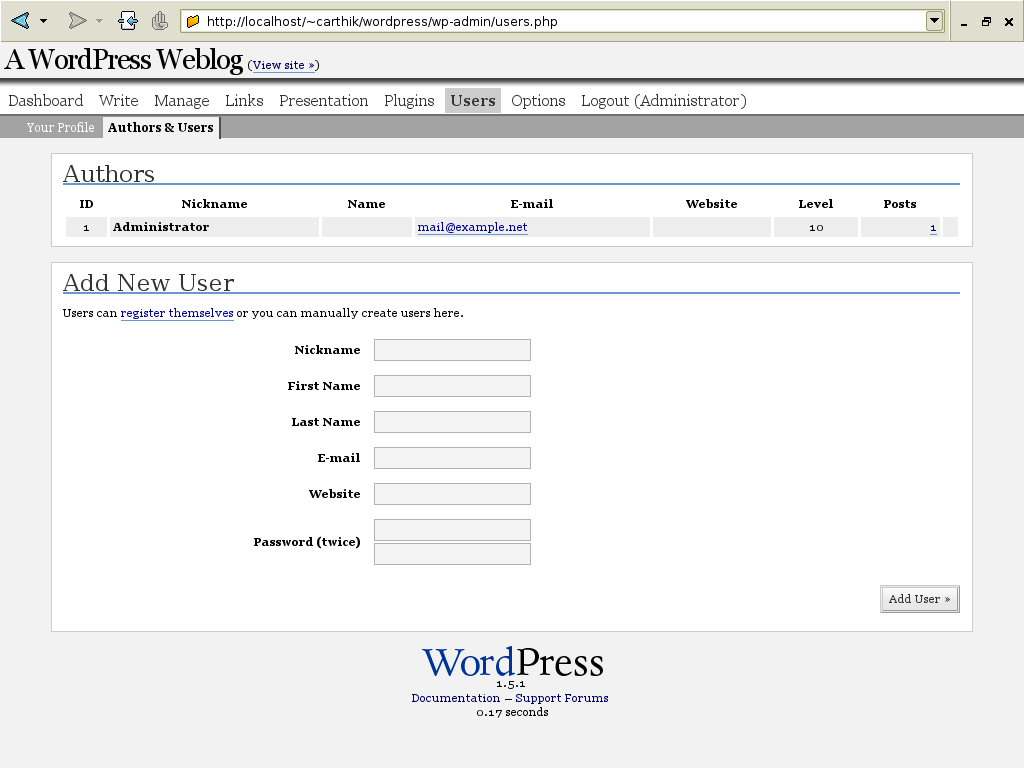
WordPress (23.8%)
【荣誉入围】
Drupal (21.4%)
Joomla! (18.9%)
最受欢迎数据库
MySQL (62.7%)
PostreSQL, SQLite, Firebird都未构成威胁
最受欢迎编程语言
C (26%)
【荣誉入围】
C++ (25.7%)
Java (22.9%)
最受欢迎脚本语言
Python (28.9%)
【荣誉入围】
PHP (21.7%)
bash (19.8%)
Perl (17%)
最受欢迎Linux软件开发工具
Eclipse (29%)
KDevelop, Emacs, GNU autoconf 和 NetBeans 也在发起有力的挑战
最受欢迎音频工具
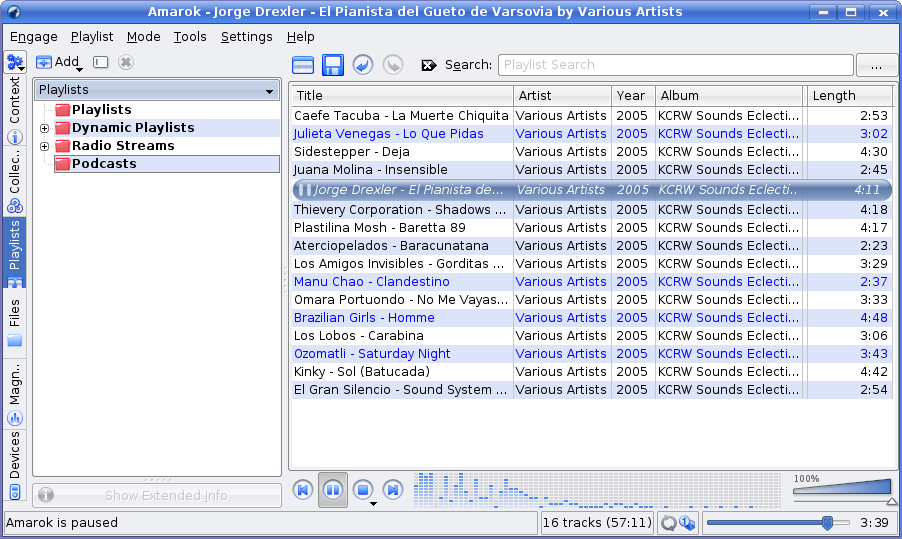
Amarok (40.5%)
【荣誉入围】
XMMS (18.1%)
Audacity (12.3%)
Rhythmbox (11.9%)
最受欢迎媒体播放器
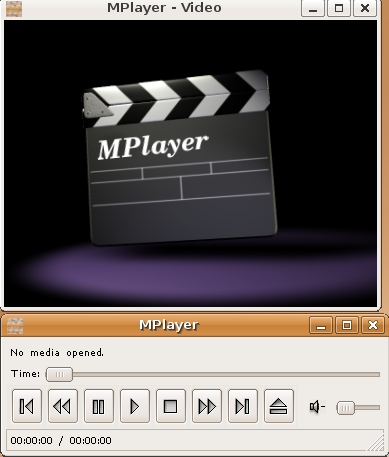
MPlayer (34.6%)
【荣誉入围】
VLC (27.4%)
最受欢迎通信工具
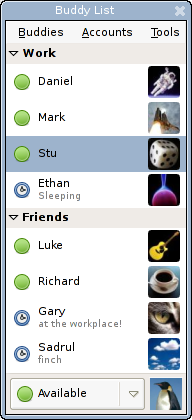
Pidgin (42%)
【荣誉入围】
Skype (17.8%)
Kopete (12.8%)
最受欢迎图形设计工具
The GIMP (76.4%)
最受欢迎数字照片管理工具
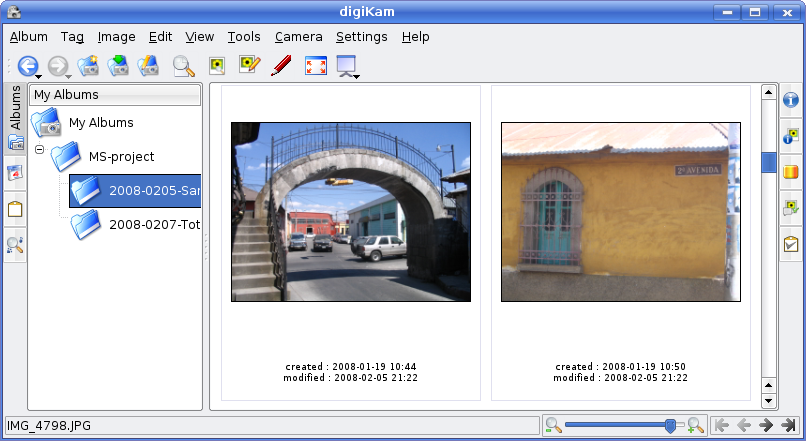
digiKam (24.9%)
【荣誉入围】
Picasa (24.5%)
最受欢迎文本编辑器
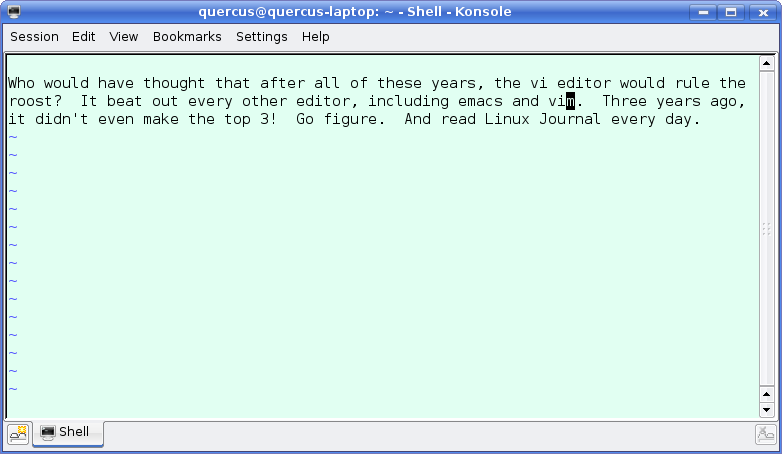
vi (35.3%)
【荣誉入围】
gedit (15%)
vi是在Emacs和vim中脱颖而出的。
最受欢迎Linux游戏
Frozen Bubble (19.2%)
【荣誉入围】
Doom (12.3%)
Tux Racer (11.7%)
最受欢迎备份系统
Simple Linux Backup (25.5%)
【荣誉入围】
Amanda (16.1%)
Bacula (16.1%)
最受欢迎备份工具
tar (35.4%)
【荣誉入围】
rsync (22.4%)
k3b (15.1%)
最受欢迎语言构造工具
Flex (18.1%)
注意,不是Adobe的那个Flex啊。
【荣誉入围】
Bison (14.7%)
javacc (12.8%)
最受欢迎安全工具
SSH (29.5%)
【荣誉入围】
iptables (19.4%)
最受欢迎包管理程序
Apt (35.3%)
【荣誉入围】
RPM (16.5%)
Yum (14.9%)
Synaptic (11.6%)
最受欢迎系统管理工具
OpenSSH (52.7%)
最受欢迎Web服务器
Apache (90.9%)
最受欢迎Linux友好网站托管公司
GoDaddy.com (14.7%)
【荣誉入围】
1&1 (9.8%)
DreamHost (9.4%)
Rackspace (7.5%)
最受欢迎网络或服务器设备
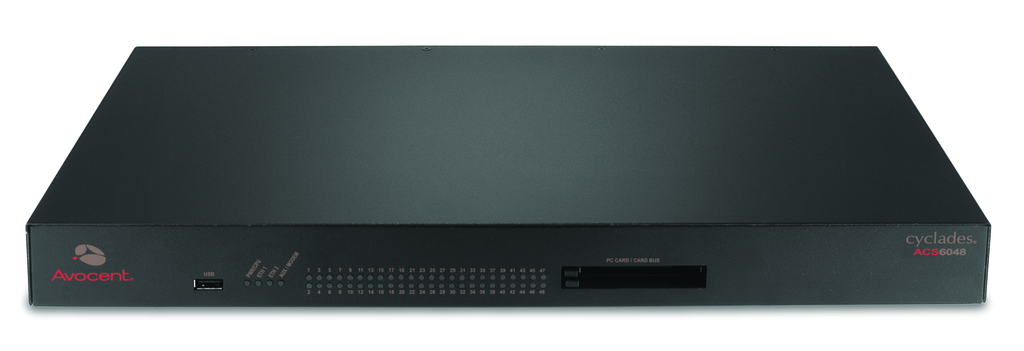
Avocent Cyclades ACS Console Server (15.7%)
【荣誉入围】
Guardian Digital Linux Lockbox (12.7%)
最受欢迎Linux手持设备
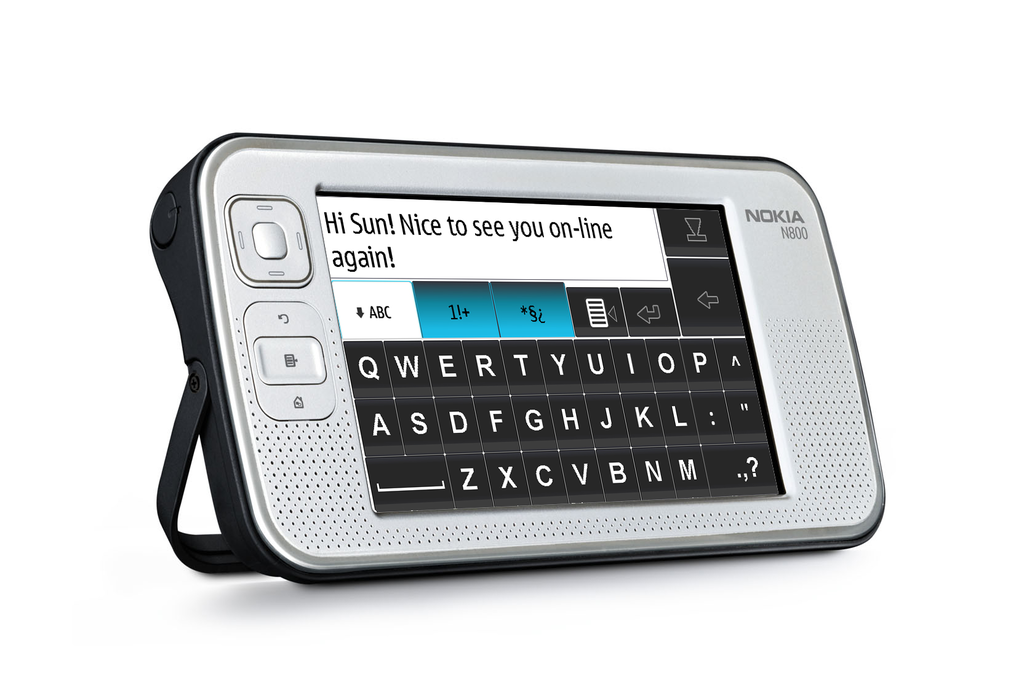
Nokia N800 (43.9%)
【荣誉入围】
OpenMoko Neo (23.7%)
最受欢迎Linux笔记本
华硕 Eee PC (34.7%)
【荣誉入围】
联想 T61p (20%)
最受欢迎Linux桌面工作站
Dell (30%)
【荣誉入围】
惠普 (12%)
最受欢迎Linux服务器
Dell (21%)
【荣誉入围】
IBM (14%)
惠普 (12%)
最受欢迎绿色Linux产品或解决方案
VMware (42.6%)
【荣誉入围】
PowerTOP (16.3%)
来源:turingbook
原文如下:
Back in January and February, we surveyed you, our readers, to find outwhat Linux-based products, tools and services you prefer thesedays. More than 5,900 of you completed the survey, and your favorites are theworthy recipients of the 2008 Readers' Choice Awards. Although some resultsare predictable, many are certain to both interest and surprise you.
In this year's competition, we designated only one winner percategory, with strong contenders receiving honorable mention awards.For instance, in the categories where a cluster of formidable contendersfollowed the outright winner, we designated up to three honorable mentions.However, if one product clearly dominated a category (for example, OpenOffice.orgwith 85% in Favorite Office Program or Apache with 92% in FavoriteWeb Server), and the contenders were barely on the radar, there were nohonorable mentions.
The developers among you will want us to weigh in on how we dealt withlanguages. We created two categories: Favorite Programming Languageand Favorite Scripting Language. See Technical Editor Michael Baxter'sreasoning in the sidebar, as well as the category contents and winners. Please letus know what you think of our approach.
And now, without further ado, we present the 2008
LinuxJournal Readers'Choice Awards.
Favorite Primary Linux Distribution of Choice
Ubuntu (37.4%)
Honorable Mentions Mandriva (13.9%)
Fedora (11.1%)
In the last
LJ Readers' Choice awards, many readerswere "shocked" and"flabbergasted" that the upstart Ubuntu handily took the crown forfavorite distribution. This year, however, there is little surprisethat Ubuntu has won again, garnering nearly triple the votes of itsmost able challenger, Mandriva―supposedly the forgotten distro?Clearly Ubuntu has morphed from the "little distro that could" to the"big distro that did". How would the results differ if we asked foryour favorite distribution for servers?

Favorite Desktop Environment
GNOME (45.7%)
Honorable Mention KDE (42.5%)
Clearly independent decision making is in ample supply in our community,because (despite Nick Petreley's anti-GNOME rants over the years)GNOME is your Favorite Desktop Environment. GNOME barely edged outits also-popular desktop rival, KDE. The result makes sense given thatthe GNOME-defaulting Ubuntu trounces all other distributions. However,the fact that GNOME won by just a few percentage points perhaps meansthat many of you use Ubuntu's sister distribution, the KDE-based Kubuntu?
Favorite Web Browser
Firefox (86%)
Given our readers' extreme penchant for tinkering, it's no surprisethat we love Firefox and its ever-growing treasure trove of extensions [see"Must-Have Firefox Extensions", page 80].Firefox wins Favorite Web Browser with 86% of your votes. But where,oh where, have the very capable Opera and Konqueror gone? Fewer than 5%of you named them your favorite browser. Honorable mention for mostcreative response in this category goes to "All I know is that IE7 isworse than dreadful."

Favorite E-mail Client
Mozilla Thunderbird (44.9%)
Honorable Mentions Gmail Web Client (19.7%)
Evolution (13.4%)
KMail (10.1%)
Although Mozilla Thunderbird did not vanquish its opponents as decidedly asits sibling Firefox did in the browser category, it had more than twicethe support of its nearest rival, the Gmail Web Client, to win FavoriteE-Mail Client. We were a bit surprised to see that only about 7% of you are stillusing text-based e-mail clients, such as Alpine (formerly Pine) and Mutt.

Favorite Office Program
OpenOffice.org (85.1%)
OpenOffice.org garnered a whopping 85% of the votes to win FavoriteOffice Program, while competitors AbiWord and KOffice squeaked in a barelyperceptible 3% each. Nor did EIOffice, a program that has received muchpraise in our pages in the past, register more than a few votes. OpenOffice.org hasbecome the de facto default office suite for Linux.

Favorite Audio Tool
Amarok (40.5%)
Honorable Mentions XMMS (18.1%)
Audacity (12.3%)
Rhythmbox (11.9%)
Perhaps the most feature-rich audio player on any platform, Amarok haswon most of your hearts and minds for Favorite Audio Tool. Meanwhile,the applications XMMS, Audacity and Rhythmbox each have their loyalconstituencies of a bit lesser but similar size, making each worthy ofan honorable mention.

Favorite Media Player
MPlayer (34.6%)
Honorable Mention VLC (27.4%)
This close race in the Favorite Media Player category may be as much atestament to MPlayer's legacy to thankful Linux users everywhere as a votefor excellence. When playing nonfree media content was still a problemfor Linux users, MPlayer was there, leveling the field and making surewe could play anything our Windows-using friends were playing and thensome. VLC, a close second, is growing in popularity for its friendlyinterface and equally adroit ability to play pretty much any format youcan throw at it.

Favorite Communications Tool
Pidgin (42%)
Honorable Mentions Skype (17.8%)
Kopete (12.8%)
Pidgin, the messaging tool formerly known as Gaim, readily handled all ofits competitors, garnering 42% of your votes. Pidgin users appreciatethe ability to monitor all of their messaging accounts using one tool.Currently 15 protocols are available, including AIM, Google Talk, NovellGroupWise, ICQ, MySpaceIM, Yahoo and others. Despite Skype's popularity,it remains in Pigin's long shadow―maybe because its closed-sourcecredentials tug at our consciences?

Favorite Graphics/Design Tool
The GIMP (76.4%)
If anything qualifies as a legendary piece of Linux software, thenThe GIMP certainly has earned that mantle. Winning 76.4% of thevotes, The GIMP wins for Favorite Graphics/Design Tool. As for theothers? "Ouch!" is the collective cry from the other graphicsapplications, such as Inkscape, Scribus and Blender, each of whichreached percentagesonly in the single digits. Notable for its absence is the increasinglyimpressive KDE graphics tool, Krita.

Favorite Digital Photo Management Tool
digiKam (24.9%)
Honorable Mention Picasa (24.5%)
digiKam, at 24.9%, edged out its image-organizer rival Picasa fromGoogle by a mere 13 votes. Picasa's excellent functionality is powerfulenough to make up for its deficits―its non-FOSS status and Wine-basedemulation. Like its e-mail cousin Gmail, Picasa is an interesting choicegiven that it is not a Linux application, per se. Gmail exists only inGoogle's cloud, and Picasa is―gasp!―a Windows application.

Favorite Text Editor
vi (35.3%)
Honorable Mention gedit (15%)
Who would have thought that after all these years, the vi editorwould rule the roost? It beat out every other editor, including Emacsand vim. Three years ago, it didn't even make the top three! Go figure.It is interesting to note that Emacs, KWrite and Kate all scored aboutevenly, clustering around the 10% mark.

Favorite Linux Game
Frozen Bubble (19.2%)
Honorable Mentions Doom (12.3%)
Tux Racer (11.7%)
It is beginning to seem that no game will ever knock
FrozenBubble fromits lofty perch as Favorite Linux Game. Not only does
FrozenBubblelure you in with its pure simplicity, but also those penguins are just toodarn cute!
Doom and
Tux Racer,which won honorable mentions, are twomore of your favorites.

Favorite Virtualization Solution
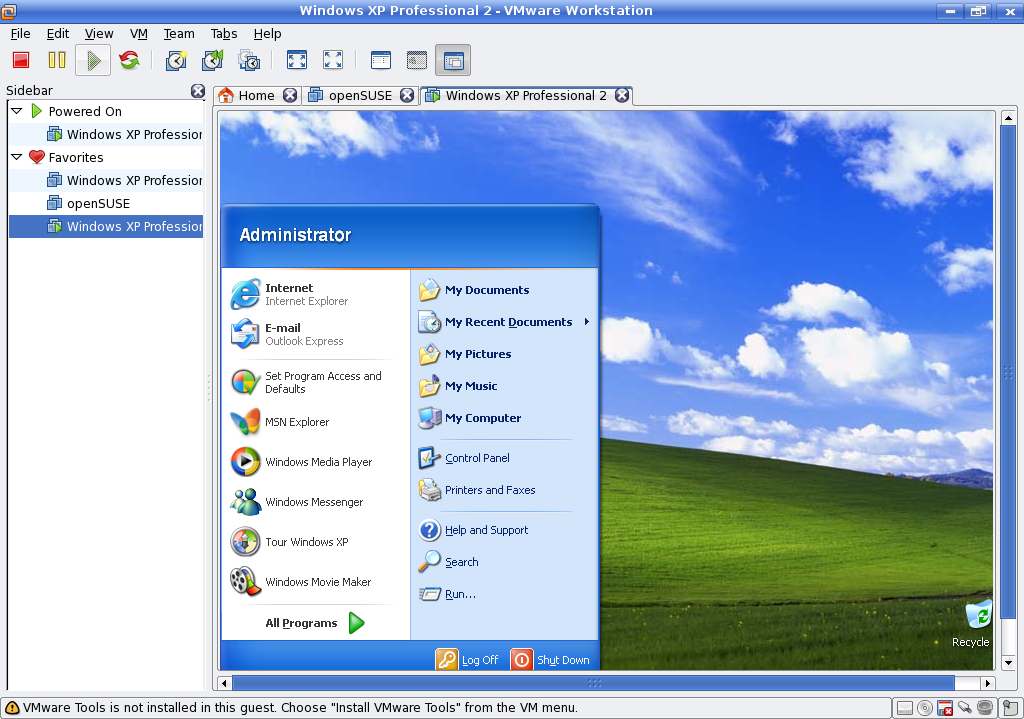
VMware (38.7%)
Honorable Mention VirtualBox (20.4%)
Given VMware's meteoric rise during the past few years, it's no surprise tosee it win the gold for Favorite Virtualization Solution. More surprisingis VirtualBox's showing, the application that a fellow publication called"The best virtualization program you've never heard of" in late 2007.VirtualBox's patron, innotek of Germany, was acquired by Sun Microsystemsearlier this year, giving VirtualBox the marketing injection it neededto match its technical prowess. Wine and Xen fared decently in thiscategory too.

Favorite Backup System
Simple Linux Backup (25.5%)
Honorable Mentions Amanda (16.1%)
Bacula (16.1%)
In this year's competition, we differentiated between comprehensiveapplications, or systems, and specific utilities. Regarding the FavoriteBackup System category, most of you prefer the no-frills, low-budgetapproach over corporate solutions―that is, the application Simple LinuxBackup. The open-source applications―Amanda, with the Zmanda interfacefor server backup, and Bacula, for network-based backup―also got manyof your votes. Backup also is the category in which the most readersroll their own script-based solutions.
Favorite Backup Utility
tar (35.4%)
Honorable Mentions rsync (22.4%)
k3b (15.1%)
For Favorite Backup Utility, the perpetual winner is the workhorse tar,tallying 35.4% of the vote. Enough of you love rsync and the CD/DVD-authoringapplication k3b to warrant honorable mentions.
Favorite Database
MySQL (62.7%)
MySQL is not only the world's most popular open-source database, it'syour favorite as well. Although PostreSGL, SQLite, Firebird and othersregistered votes, the competition was not fierce. It doesn't hurt thatMySQL runs on more than 20 different platforms.

Favorite Programming Language
C (26%)
Honorable Mentions C++ (25.7%)
Java (22.9%)
'Twas the battle of the Cs in the Favorite Programming Language category,with C taking first prize, C++ landing in second and Java in the thirdspot. Don't see your own wildlyfavorite language here? You wouldn't believe the number of"WTFs"we got when readers didn't find Python, Ruby or other languages herebut rather in the scripting language category. Check out that category'sresults, as well as Michael Baxter's explanation in the sidebar for how we differentiatedbetween programming and scripting languages. (No doubt we'll see youin the on-line comments section too!)
Programming Languages and Scripting Languages We received a lot of feedback about our on-line survey of favoritelanguages. A particular point from this feedback has been why somelanguages were called scripting languages, and others not. A criterionwas used to decide this, as will be explained. A plethora of issueswas raised in the responses we received, so highlighting some of theissues will contextualize how the criteria emerged for this survey.
One simple way of distinguishing computer programming languages iswhether they are compiled or interpreted, which several
LinuxJournalreaders pointed out. However, even that is an issue. Java isconsidered as a general-purpose programming language, but nominallythe runtime environment is a Java Virtual Machine. This is verysimilar to a variety of scripting languages actually, including EmacsLisp. However, Java also can be compiled to native machine code. So,for the interpreted versus compiled issue, one might ask, "What kind ofcompiled?"
A scripting language could generally be a language that ishosted by another environment. In other words, it's "running on topof something", whether that be a byte-code interpreter or, in thecase of embedded application use, as an adjunct to another softwareapplication. One also might ask whether the breadth and representativepowerare obtained by libraries, or because of built-ins to the language?
Scripting languages also can have object features and work at a higherlevel, or work more like a dynamic language, such as Lisp, which doesmanifest typing. AWK and Python or Perl are arguably scriptinglanguages, but they are quite different in their utility. One mightthink of AWK as slightly easier to use than bash, with theparticularly nice facet of associative arrays. But, Python or Perl (viastrong libraries) are much more powerful, and they are glued tonumerous layers in the complete FLOSS stack. So, the "grainsize" of ascripting language tends to matter as to its utility.
One of the scripting languages that was omitted in the original surveywas Tcl, and this was a mistake. Tcl is very popular, especially in certainapplication domains, such as CAD tools, where it is a de factoscripting language. Similarly, upon further reflection, it might beargued that the general-purpose programming language BASIC that ismost in use today is not really a later variant of Kemeney and Kurtz'1964 original, but rather Visual BASIC, arguably a scriptinglanguage. However, that language generally does not run well on Linux,and efforts to bring this particular language to Linux have provokedsome controversy.
Based on comparative technical criteria, one could make the case thatJava is a scripting language. Its runtime implementation is strikinglysimilar to Python, though there are clearly very divergent languagesyntax and semantics in both: Python is much less strongly typed. Theproblem is that Java users really don't use it as a scriptinglanguage, and its promoters don't promote it that way either. It'smuch more ubiquitous in any of its roles, such as middle-ware, forcomplete applications, or as a standalone embedded platform. So, aleading clue is that what defines a "scripting language" is notnecessarily decided along strictly technical lines.
Perhaps the motivating factor behind what determines whether a languageis a scripting language or programming language is ultimately how acritical mass of users tend to use it. Other factors include how it'spromoted, whether it's standardized, how the user community isresponded to with emergent problems or technical issues, and how theprimary maintainers allow the language to "evolve" where necessary. Areally good way to see this is to compare the number of technical booktitles on computer languages and associated libraries or environmentsin a modest bookstore.
Finally, it was this "tendency of use" that was the primary litmus test toassert which language was selected as a programming languageversus as a scripting language. Some respondents have rightly pointedout that this was relatively "arbitrary", and that there were numerousdissonances along the axis of "compiled" versus"interpreted". Theyare right. This arbitrariness is borne out, in fact, by the usagepatterns seen; the mass of users themselves really have decided theuse models. Practical and reasonable programmers, in fact, do disagreeon such distinctions.
Such divides cut across much more than compiled or not. A largerdivide would appear to be strongly typed versus dynamiclanguages. Another would be functional versus imperative. One dividethat seems to be waning is whether object-oriented is good; we generally seem tobelieve that it is. Despite this general consensus, C is notgoing away any time soon. C is viewed as the most portable high-level"assembly language" there is.
I think a conundrum about languages is benign, and actually good news,because it reflects the diversity of choice and utility. If theabsolute ultimate runtime performance is not relevant to a programmingproblem, modern scripting languages are a strong play. One can getmore done with fewer lines of code, if compared with starting a programin the C language. Most are easier to learn and use than, say, C++. Thismay well be a legacy of highly evolved computer technology. If youbelieve that "premature optimization is the root of all evil", perhaps using a "standard" programming language is one kind ofpremature optimization. A lot of careful thinking has gone intocertain scripting languages, and very strong compilation software isavailable to host these languages. But, these advances in computerscience also derive benefit from late-modern hardwaretechnology. Machines today are so fast that it really is possible touse scripting languages as general-purpose programming languages fornearly any purpose on a wide variety of applications.
―Michael Baxter, Technical Editor,
Linux Journal Favorite Scripting Language
Python (28.9%)
Honorable Mentions PHP (21.7%)
bash (19.8%)
Perl (17%)
It's no surprise that Python grabbed top honors in the Favorite ScriptingLanguage category, and that PHP, bash and Perl all deserve honorablemention for their strong showings.

Favorite Language Construction Tool
Flex (18.1%)
Honorable Mentions Bison (14.7%)
javacc (12.8%)
You know you're reading the right publication when a collective cheerrises up to celebrate the scanner-generator Flex winning a prize.Although Flex took top honors for Favorite Language Construction Tool with18.1% of the votes, its yacc-compatible parser generator, Bison, talliedenough votes for an honorable mention (14.7%), as did the compiler-compilerfor Java, javacc (12.8%). Although this category registered fewer votesthan other categories, nearly 2,000 of you weighed in with your opinions.
Favorite Security Tool
SSH (29.5%)
Honorable Mention iptables (19.4%)
Just as it did in the last edition of this competition, the hyperversatileand hyperfavorite SSH wins this year in the Favorite Security Toolcategory with 29.5% of the votes. You also showed your love for theiptables tool for your packet-filtering tasks, which deserves an honorablemention for garnering 19.4% of the tally.
Favorite Linux Software Development Tool
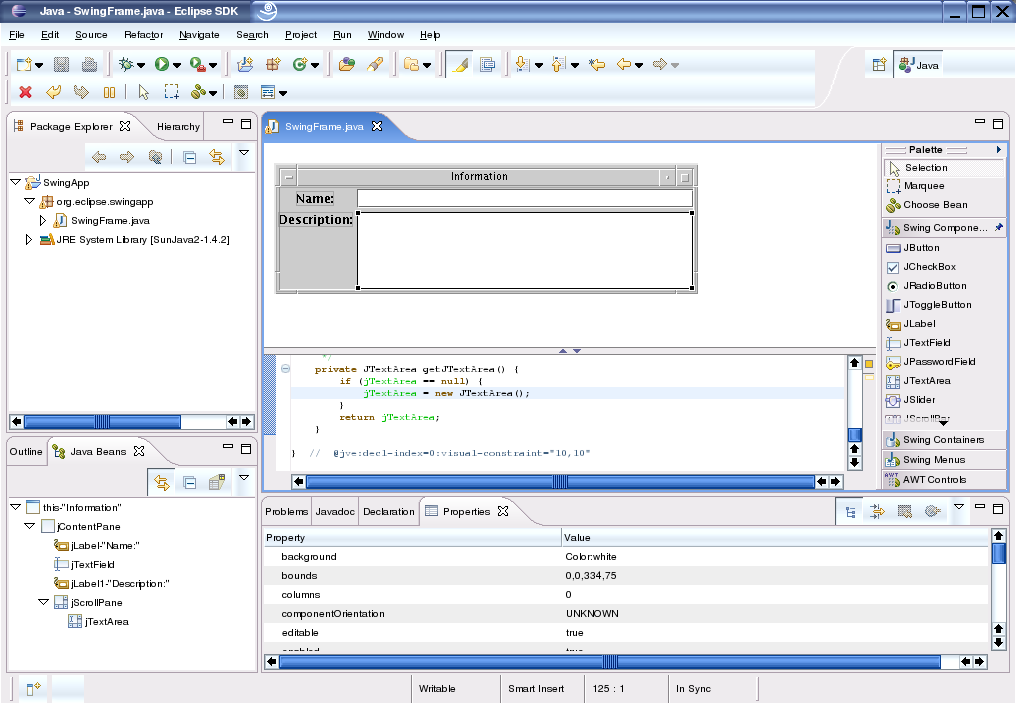
Eclipse (29%)
This year, Eclipse easily eclipsed all of its competitors to win FavoriteLinux Software Development Tool. Although the rest of the votes werewidely dispersed among many different tools―KDevelop, Emacs, GNUautoconf and NetBeans all registered significant vote counts.

Favorite Package Management Application
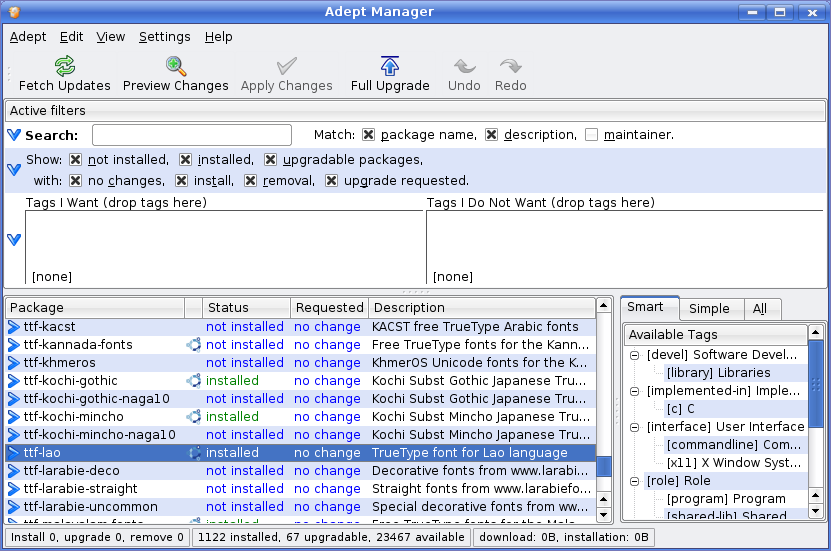
Apt (35.3%)
Honorable Mentions RPM (16.5%)
Yum (14.9%)
Synaptic (11.6%)
One of the main reasons so many of you love (K)Ubuntu so much is its sweetpackage management via Apt, this year's victor in the Favorite PackageManagement Application category. Apt won 35.3% of your votes. Many ofyou also cast your votes for the classic RPM (16.5%) and its useful friendYum (14.9%). Meanwhile, a respectable number of you (11.6%) prefer theSynaptic front end on top of Apt to perform your package management tasks.

Favorite System Administration Tool
OpenSSH (52.7%)
The depth of your love for OpenSSH is clear. Not only did you chooseit for Favorite Security Tool (above), but you chose it as FavoriteSystem Administration Tool as well. With 52.7% of your votes,it stands head and shoulders above its nearest competitors.
Favorite Content Management System
WordPress (23.8%)
Honorable Mentions Drupal (21.4%)
Joomla! (18.9%)
Competition was tough for Favorite Content Management System, for you loveyour myriad options. Nevertheless, your favorite application in thiscategory was the blog publisher WordPress (23.8%), which edged out theable Drupal (21.4%) and Joomla! (18.9%) to take the prize. It appearsthat the vast majority of you bloggers are gravitating toward WordPress,while the Webmasters are splitting into Drupal and Joomla! camps.

Favorite Web Server
Apache (90.9%)
Rather than offer a Favorite Web Server category, we should just ask"Do you use the Apache Web server, yes or no?" and leave it at that.Apache wins with 90.9% of your votes.
Favorite Linux-Friendly Web Hosting Company
GoDaddy.com (14.7%)
Honorable Mentions 1&1 (9.8%)
DreamHost (9.4%)
Rackspace (7.5%)
Given the variety of hosting companies available today, it's no surprisethat none of them dominated the voting for Favorite Linux-FriendlyWeb Hosting Company. Although the winner, GoDaddy.com, garnered arespectable 14.7%, the real winner was "Other" with a whopping 42.4%.Nevertheless, hats off to GoDaddy.com for its rapid rise inpopularity―it was absent from our last awards.
Favorite Network or Server Appliance
Avocent Cyclades ACS Console Server(15.7%)
Honorable Mention Guardian Digital Linux Lockbox (12.7%)
As with hosting, the voting for Favorite Network or Server Appliancecategory was diffuse due to the rabbit-like proliferation of usefulproducts in the marketplace. The top vote-getter at 15.7% was the AvocentCyclades ACS Console Server, and following up with honorable mention(at 12.7%) was the Guardian Digital Linux Lockbox.

Favorite Linux Handheld Device
Nokia N800 (43.9%)
Honorable Mention OpenMoko Neo (23.7%)
In case you hadn't noticed, many of us
Linux Journal editors adore theNokia N800. The N800 won the 2007 awards for Ultimate Linux Handheld,and its predecessor, the N770, would have won the 2006 Editors' ChoiceAward for Best Mobile Device, only we were afraid we never talked aboutanything else. Well, clearly our readers dig it too, because 43.9% of youchose it as your favorite handheld. Keep your eye on the newer OpenMokoNeo 1973, which burst on the scene and grabbed 23.7% of the vote.

Favorite Linux Laptop
ASUS Eee PC (34.7%)
Honorable Mention Lenovo T61p (20%)
Is there any surprise that the ASUS Eee PC got 34.7% of the vote towin the Favorite Linux Laptop category handily? Finally, a company createda laptop with Linux in mind and didn't consider Linux as a second-rateafterthought. It also is nice to see that our readers appreciateLenovo's better-late-than-never but admirable effort to pre-installits T61p with SLED. This helped the device win honorable mention.Hopefully, awards like this will encourage Lenovo and others to pre-installall of their laptops with Linux from the start. If you accumulate thevarious models from our Linux-specialist friends like LinuxCertified,EmperorLinux and R Cubed, they fared well as a group too.

Who Makes Your Favorite Linux Desktop Workstation?
Dell (30%)
Honorable Mention Hewlett-Packard (12%)
It wasn't surprising to see PC giant Dell win top choice in this category with 30% ofthe vote tally. Dell's product line has become more Linux-friendly over the years, whichshows up clearly in your preferences. HP gets an Honorable Mention for its Linuxofferings, and there were lots of write-ins for various verndors in this category, butthey were too diverse to merit a third place award. And of course, many of you chose ahome-brew solution as well.
Who Makes Your Favorite Linux Server?
Dell (21%)
Honorable Mention IBM (14%)
Hewlett-Packard (12%)
The majority of voters in this category give their server business to the big vendors,such as Dell (winner of both Favorite Desktop Workstation and Server categories), IBM,HP and Sun. Many readers also like to purchase from the smaller mom-and-popshops―with too many write-ins to list here. And, as with the Favorite DesktopWorkstation category, many readers prefer to build their own servers.
Favorite Green Linux Product or Solution
VMware (42.6%)
Honorable Mention PowerTOP (16.3%)
Because virtualization is such a fabulous and popular way to improve theefficiency of your servers, VMware landed the top spot in the FavoriteGreen Linux Product or Solution category. The PowerTOP tool for findingenergy wasters on your systems also is popular and won an honorable mentionat 16.3%. Although many readers earnestly consider energy consumption andenvironmental impacts in their data-center strategy, we were surprisedto see the high number of responses like "Hummer" and "I promote globalwarming". We wonder with concern, "How much good science is necessaryto convince us of the seriousness of our environmental challenges?"
Favorite Linux Book (revised or released in or after January 2007)
Linux System Administration by Tom Adelstein and Bill Lubanovic (O'Reilly) (16%)
Honorable Mentions Linux System Programming by Robert Love (O'Reilly) (7.2%)
Official Ubuntu Book by BenjaminHill (Prentice Hall) (7%)
Practical Guide to Ubuntu Linuxby Mark G. Sobell (Prentice Hall) (6.6%)
There are so many great Linux books, how can one choose a favorite!Despite the amazing diversity, your clear winner for Favorite Linux Bookis O'Reilly's
Linux System Administration by BillLubanovic and
LJ regularTom Adelstein. Three other books clustered around the 6�7% mark, one from O'Reilly and two from Prentice Hall. Interestingly, severalof you mentioned that you don't read "analog" printed books anymore,only digital materials.

Favorite
Linux Journal Column
Cooking with Linux by Marcel Gagn� (26.9%)
Honorable Mention Work the Shell by Dave Taylor (15%)
Hack and / by Kyle Rankin (14.1%)

Looks like Marcel Gagn� is going to have to be knocked off beforeanyone knocks him off the award stand for Favorite
LinuxJournal Column.Marcel's Cooking With Linux column, where Linux must be fun and one handmust remain free to fill the wineglass, has tickled and informed
LinuxJournal readers since its inception more than 100 issues ago. The ever-popularDave Taylor also fared well (15%) for his Work the Shell column,and the upstart Hack and / from Kyle Rankin has become quite popular(14.1%) in its short life.
Linux Product of the Year
ASUS Eee PC (37.3%)
Honorable Mention One Laptop Per Child (17.9%)
We are pleased to present you with your very own
Linux Journal Readers'Choice Product of the Year...drumroll please...the ASUS Eee PC! Once again,we congratulate ASUS for making a great Linux product from the ground upand not as an afterthought. The win is well deserved due to the pureexcitement it has created in our community. And, it's created excitementhere at
LJ as well―see Jes Hall's review of the ASUS Eee PC at
www.linuxjournal.com/article/9947, her "Hacking the EeePC" at
www.linuxjournal.com/article/10003 and Shawn Powers' video review at
www.linuxjournal.com/node/1005898. See also "Eee PC Gets anUpgrade" onpage 13 of this issue. We're also pleased to announce that theOLPC wins the Honorable Mention in this category; see Dave Phillips'"Sounding Out with the OLPC XO" on page 46 of this issue.
Weigh in on the debate in our on-line forum:
www.linuxjournal.com/forums/hot-topics/programming-languages-vs-scripting-languages.
James Gray is
Linux Journal Products Editor and agraduate student inenvironmental science and management at Michigan State University. A Linuxenthusiast since the mid-1990s, he currently resides in Lansing, Michigan,with his wife and cats.







 博文
博文


